

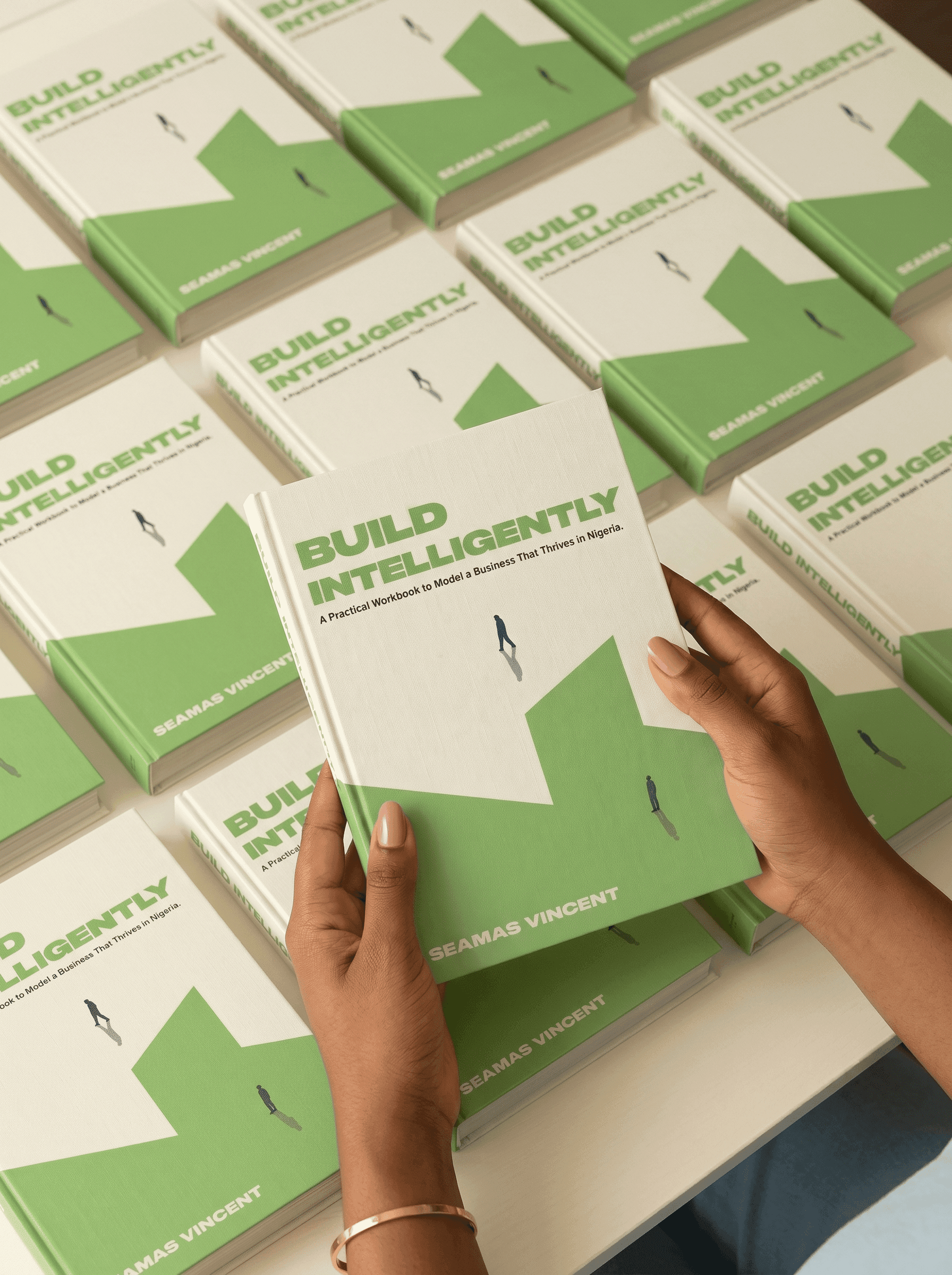
Finish with something you can use.
The exercises build on one another.
By bringing your chapter outputs together, you develop a business model document covering your customer, delivery approach, financial thinking, revenue opportunities and growth plans.
You also get access to three supporting templates:
- Sales Tracker: Record transactions and review what your business is selling.
- Business Cost Tracker: Organise expenses and make costs more visible.
- Digital Business Model Document: Bring your decisions together in one place.
Work through the questions in your own context.
You’re preparing to start.
Use the workbook to test assumptions and think through your business before committing more resources.
You’re already running a business.
Step back from daily activity and examine how the different parts of your business work together.
You’re good at your craft and developing your business skills.
Work through the commercial decisions around what you create, sell and deliver.
The examples are grounded in Nigeria, with attention to the customer behaviours and operating realities entrepreneurs encounter here.
How to use it
Read it once to understand the ideas.
Then return with your business in mind and work through the exercises. Use real information where you have it, and identify what you still need to find out.
The value is in the thinking you do and the decisions you make along the way.
Get Build IntelligentlyWant to work through these ideas with a group?
I also teach practical workshops for entrepreneurs, creative communities and business programmes.
Explore speaking & workshops